What is poop coffee? If you’ve ever sipped a $100 cup of coffee and thought, “Mmm, this is nice, but could it have been… processed through a cat’s digestive tract first?” then congratulations, you’re already on the wild ride known as Kopi Luwak, or poop coffee. This infamous brew is often hailed as the “champagne of coffees,” the most exotic and luxurious of all caffeinated beverages. But behind the glossy marketing, high price tags, and Instagrammable packaging lies a tale that’s more than just a bit… scatological.
Let’s dive into the murky world of civet cat coffee. Along the way, we’ll explore the odd biological process that makes Kopi Luwak, the questionable ethics surrounding its production, and why you might want to consider a specialty roast from Path Coffee Roasters instead—you know, the kind that doesn’t involve a small, furry animal making a deposit in the woods.
Chapter 1: What Is Kopi Luwak, Anyway?
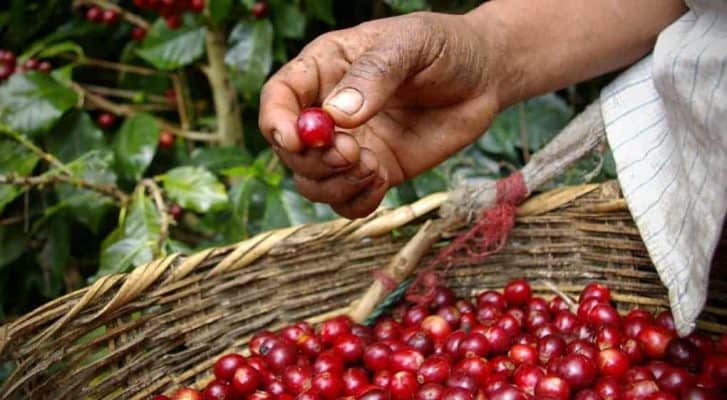
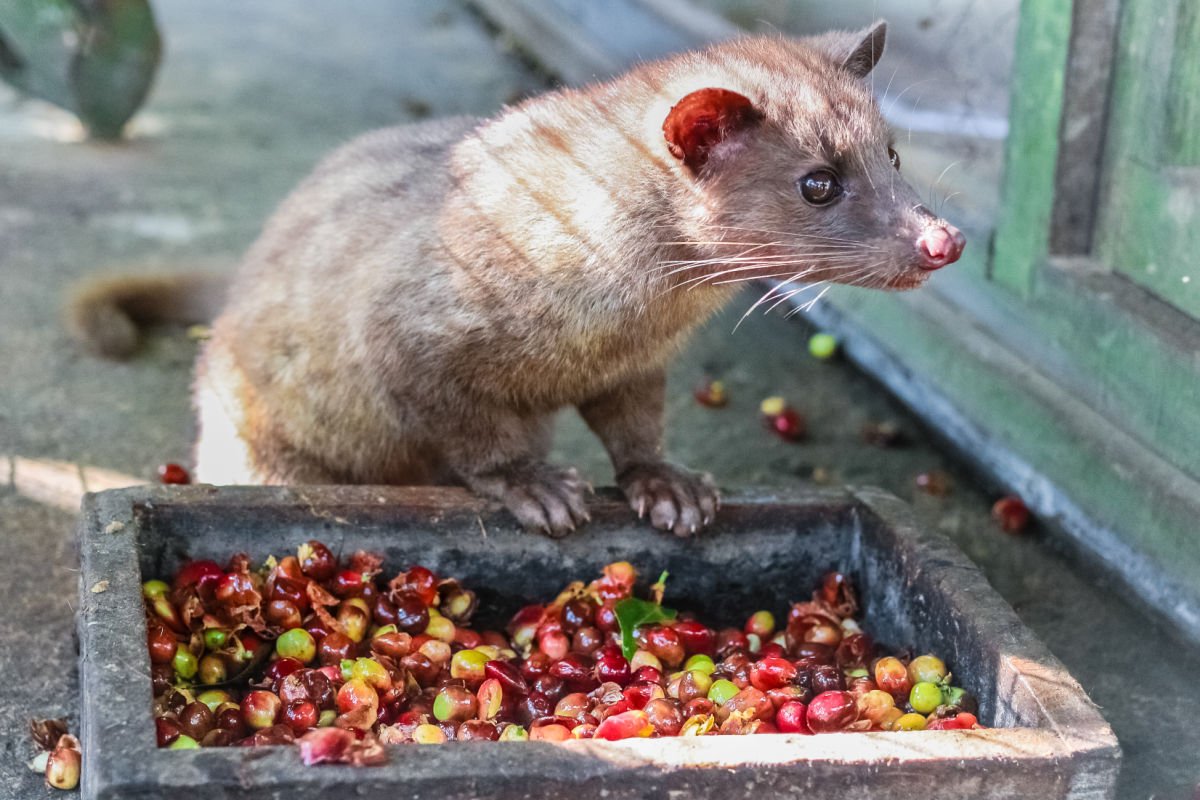
Kopi Luwak (pronounced koh-pee loo-wack) is made from coffee beans that have been eaten and, ahem, excreted by a civet cat. The civet, a small, tree-dwelling mammal native to Southeast Asia, consumes ripe coffee cherries. Inside its digestive system, the beans undergo a fermentation process. Then, in a most undignified manner, they’re pooped out, become poop coffee.
Yes, we’re talking about coffee beans that have quite literally been through the wringer.
The idea is that this natural fermentation imparts a smooth, less acidic flavor to the beans. After the beans are, uh, harvested, they are thoroughly cleaned (thank goodness), dried, roasted, and brewed into what some call the rarest and most expensive coffee in the world. Prices can range from $35 to $100 a cup, and sometimes even more for whole beans.
Chapter 2: Origins of the Brew
The origins of poop coffee are surprisingly humble. During colonial times in Indonesia, native farmers were forbidden from harvesting their own coffee. Out of necessity, they began collecting partially digested beans from the droppings of wild civets. These accidental pioneers discovered that the beans, once cleaned and roasted, made a surprisingly smooth and aromatic cup of coffee.
It was an innovation born out of hardship. And for a time, it was an interesting curiosity—a rare delicacy with a good story.
But then, capitalism happened.
Chapter 3: When Poop Coffee Becomes Profitable
As the legend of the civet-processed bean spread, demand skyrocketed. What was once a rare product of wild civet behavior became a booming business. And with booming business came problems.
To meet demand, enterprising producers stopped waiting around for wild civets to do their business in the jungle. Instead, they began capturing civets and confining them in cages. There, they are force-fed a diet consisting almost entirely of coffee cherries. The civets, being naturally omnivorous creatures with complex dietary needs, suffer.
Imagine if your only food source was espresso beans. Sounds fun for a day, until the heart palpitations start.
Reports from animal welfare organizations describe grim conditions: small, dirty cages; no environmental enrichment; stress-induced behaviors like pacing and biting; and a high mortality rate. What began as an organic quirk of nature turned into an industrialized system of cruelty.
Chapter 4: The Great Authenticity Problem
Another fun twist? Much of the coffee labeled as Kopi Luwak on the market is fake poop coffee.
In a study conducted by the Specialty Coffee Association, as much as 80% of Kopi Luwak sold worldwide may not even be genuine. Some of it is just regular coffee repackaged under the Luwak label. Some comes from civets raised in captivity under harsh conditions and doesn’t benefit from the selective eating behavior that supposedly gives the coffee its unique flavor.
So not only might you be drinking overpriced, questionably-sourced coffee, you might also be supporting animal cruelty… for regular coffee.
Chapter 5: The Flavor Fallacy
Let’s talk taste. Advocates claim that Kopi Luwak is smooth, low in acidity, and free of bitterness. Critics, however, describe it as underwhelming, dull, or even musty.
Why the discrepancy? Because the supposed magic comes from the civet’s natural instinct to select only the ripest cherries. Wild civets are excellent at this. But caged civets don’t get to choose. They’re force-fed whatever is provided.
So even if you’re chasing a one-of-a-kind flavor, you might not be getting it.
Chapter 6: A Better Way to Brew
Here’s the good news: you don’t need to sip animal-processed poop coffee to enjoy a world-class cup. There are thousands of green coffee producers around the world who focus on ethical, sustainable, and downright delicious beans.
Enter Path Coffee Roasters.
Based in Port Chester, NY, Path Coffee Roasters sources exceptional single-origin and blended coffees from farms that care about both quality and sustainability. No animals are harmed in the making of our coffee.
Our beans are selected for their unique characteristics, grown by real human beings (with hands, not paws), and roasted with care in small batches.
No gimmicks. No digestive tracts. Just great coffee.
Chapter 7: How You Can Help
It’s easy to be seduced by the allure of the rare and exotic, but every purchase is a vote with your wallet. When you buy Kopi Luwak poop coffee, especially from non-transparent sources, you may be unknowingly supporting:
- Animal cruelty
- Unethical labor practices
- Fraudulent labeling
- Mediocre coffee
Instead, consider:
- Supporting a family-owned roastery
- Getting fresh roasted coffee weekly for your business or home
- Learning about the origins of your coffee
- Sharing this knowledge with your fellow caffeine fiends
And of course, consider trying something from Path Coffee Roasters. You’ll get ethically sourced, beautifully roasted beans that make your morning ritual not just satisfying, but soul-soothing.
Chapter 8: Final Thoughts from the Poop Coffee Litter Box
Coffee is one of the world’s great pleasures. It energizes us, brings people together, and offers a world of flavor in every cup. But not all coffee is created equal.
Kopi Luwak may be famous, but fame isn’t always deserved. When you strip away the marketing, the Instagram filters, and the novelty, you’re left with a deeply flawed product.
Choose better. Choose ethical. Choose something that doesn’t involve a sad civet in a cage.
Choose Path Coffee Roasters.
Because great coffee shouldn’t come with a side of guilt.
P.S. Want to try coffee that’s actually worth writing home about? Visit Path Coffee Roasters to browse our curated selection of specialty coffees, roasted fresh and shipped directly to your door. No animals required.