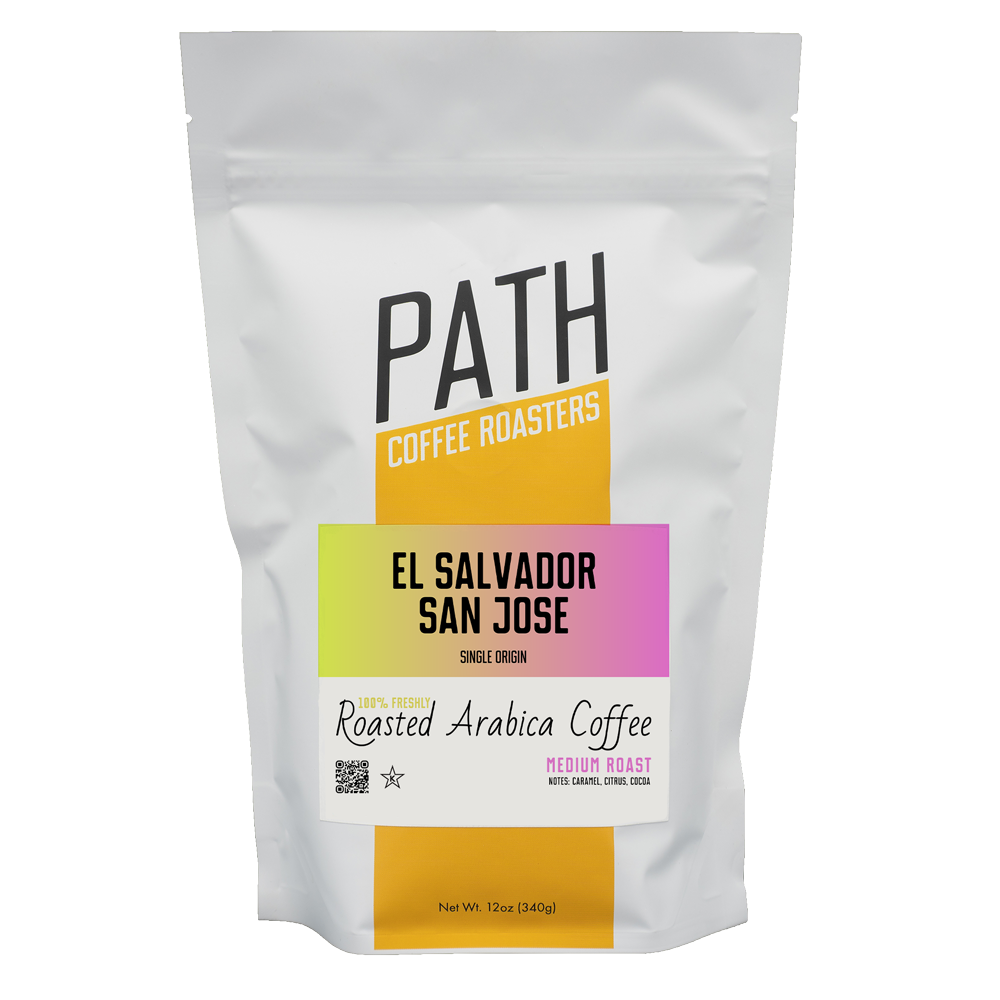





El Salvador, San Jose / Medium Roast

Roast: Medium Roast
Character: Caramel, Citrus, Cocoa

The Santa Ana region of El Salvador is known for its high-altitude coffee farms nestled around the Santa Ana Volcano, which often feature notes of red fruit, citrus, and chocolate

Price range: $10.00 through $85.00 or subscribe to save up to 15%

Earn up to 85 Path Point(s).

Region: San Jose
Altitude: 1200 m
Vareital: Red Bourbon
Process: Washed. Dried on raised beds.

The Santa Ana region of El Salvador, nestled around the towering Santa Ana Volcano, is one of the country’s most renowned coffee-growing areas. Located in the western highlands, this region boasts rich volcanic soil, high elevations, and a temperate climate ideal for cultivating high-quality Arabica coffee.

Lush mountain slopes, dense forests, and fertile valleys define the geography of Santa Ana. The combination of altitude and consistent cloud cover slows the maturation of coffee cherries, allowing more complex sugars to develop and resulting in a cup profile prized for its sweetness, balance, and bright acidity. The region often produces coffees with flavor notes of red fruits, citrus, chocolate, and floral undertones.

Santa Ana’s coffee is not just a product of its environment—it’s deeply tied to the people who cultivate it. Many of the farms are smallholder or family-owned estates that have been passed down through generations. These farmers and pickers possess deep-rooted knowledge and pride in their craft, often using selective hand-picking methods and traditional processing techniques to preserve the integrity of each harvest.

This mix of geography, climate, and dedicated stewardship makes Santa Ana one of El Salvador’s premier coffee-producing regions, with coffees that are consistently celebrated.

This is a washed whole-bean coffee, but a ground option is available.

About The Washed Coffee Process: The washed coffee process is a method of processing coffee beans in which the outer layers of the fruit are removed before the beans are dried. This process begins by removing the coffee cherry’s outer layers, revealing the green coffee beans inside. These beans are then placed in water tanks, where they are agitated to remove any remaining bits of fruit. The beans are then rinsed and left to soak for some time, during which any defective beans will float to the surface and can be removed. After the soaking period, the beans are drained and spread out to dry in the sun. Once the beans have dried to the appropriate moisture content, they are hulled to remove the remaining dried fruit layers and then sorted and packaged for shipment.